Surry Hills: The Best Suburb in Australia and Why Every Developer Should Pay Attention
Andrew Hoyne on why understanding how to shape Surry Hills' next chapter has never been more important.
I’ve lived in some great places, Carlton, Prahran and St Kilda in Melbourne, and Darlinghurst in Sydney. But nothing compares to Surry Hills. As a father of three daughters who have grown up here, I’ve come to believe this suburb isn’t just the best place to live in Australia; it’s one of the finest examples of successful urban living anywhere in the world.
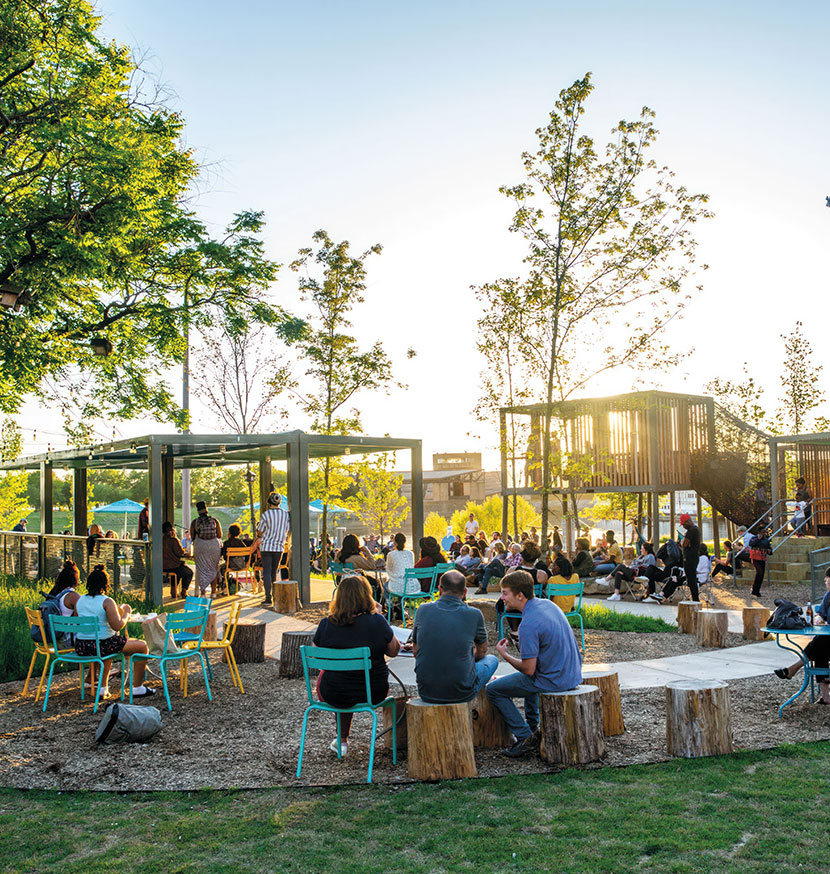
From the day my kids were born, Surry Hills has felt like a true community. Within 250 metres of any home, you’ll find a pocket park or a sliver of green, places where families gather, children play, and neighbours stop to chat. It’s walkable, compact, and intensely human in scale. While visitors might describe it as dense, to those of us who live here, it feels open and connected.
A community built on connection and diversity
Surry Hills has transformed over the decades. Once considered rough and industrial, it’s now affluent and aspirational, yet it’s managed to retain its egalitarian soul. You’ll still find an extraordinary mix of people here: professionals, artists, families, students, and social housing residents.
That diversity is its greatest strength. Whether you’re chatting with a café owner, a designer, or someone sleeping rough who you’ve come to know by name, you feel part of a neighbourhood where everyone belongs.
Great suburbs depend on more than amenity, they depend on connection. And in Surry Hills, that connection is built into the urban fabric. As I often say: in great urban areas, you don’t just live in your home, you live in your suburb.
Green space meets urban grit
Few places in Australia combine density and open space as effectively as Surry Hills. A short walk through Moore Park brings you to the expanse of Centennial Park, one of the largest green spaces in urban Australia. You’re also within easy reach of the SCG, Allianz Stadium, and the Entertainment Quarter, as well as countless tennis, netball, soccer, and cricket grounds.
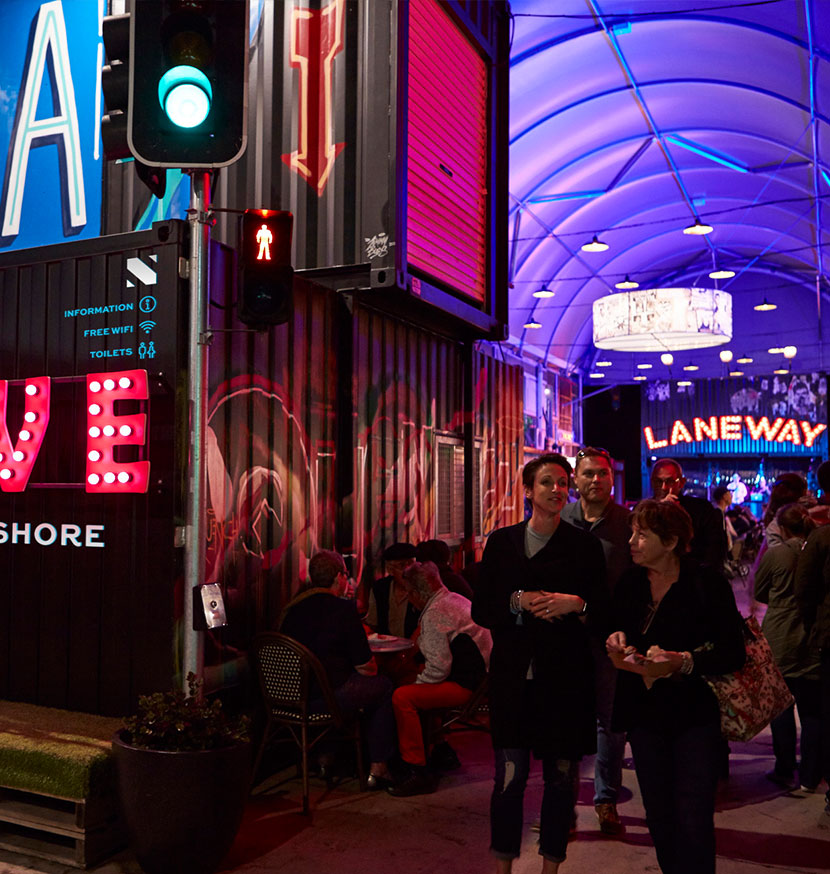
This proximity to recreation and nature sits in perfect contrast with the texture of the suburb itself, its laneways, terraces, and lively streetscapes. It’s that juxtaposition that makes Surry Hills so compelling.
Independent retailers are the beating heart
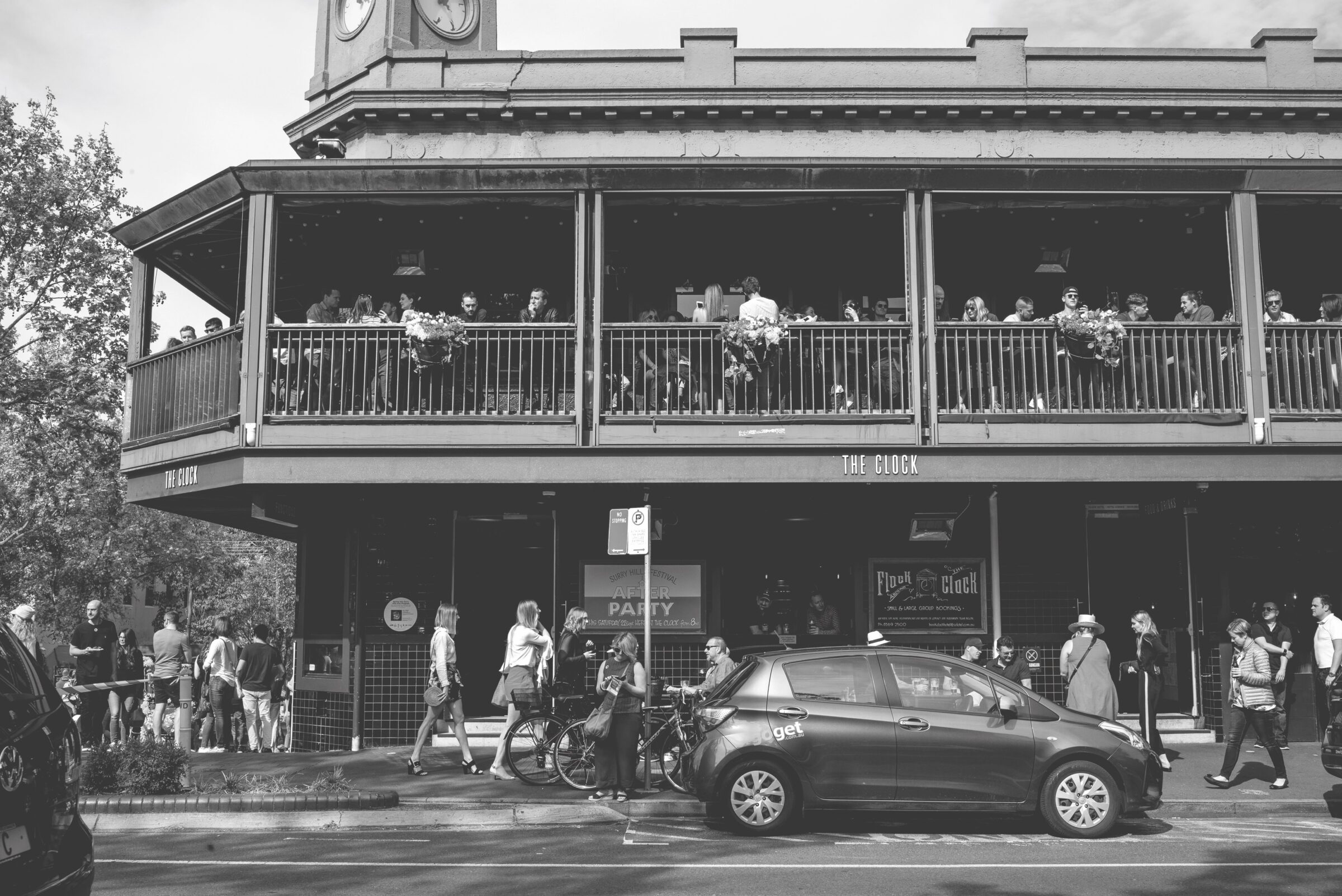
One of the defining features of Surry Hills is its retail culture. It’s rare to see a big brand here and that’s what keeps the suburb interesting. Independent retailers are king.
Occasionally, a cool global brand like Rapha might pop up, but they’re usually replaced by something local and unexpected. That churn isn’t a sign of instability; it’s a sign of vitality. It keeps the streets fresh, creative and distinctly “Surry Hills.”
These small businesses of cafés, boutiques, galleries, bars are the reason the suburb feels alive. They generate energy at the ground plane and form the connective tissue between residents and visitors. They remind developers that local character is not a risk to be managed; it’s an asset to be celebrated.
Lessons from the past
While Surry Hills holds extraordinary potential for meaningful, city-shaping development, its history offers a cautionary tale. Few examples illustrate this better than the legacy of some of the development done in the 1990s. Hundreds of the suburb’s beautiful terrace homes were erased only to be replaced by graceless towers and uninspired blocks that are a masterclass in how to damage urban character. This heavy-handed approach extended through Redfern and Waterloo, leaving scars that remain visible today.
I recognise that existing social housing typologies may not be the most architecturally inspiring, but this asset class remains essential to Surry Hills’ identity and social mix. By all means redesign and rebuild it, but lose social housing and the suburb risks becoming homogenous and frankly dull.
Change is inevitable and part of what keeps Surry Hills exciting. Many long-time Greek and Portuguese families, who have owned homes here for generations, are ageing, and some of their Australian-born children are selling and moving on. It’s a natural transition, but one that will again reshape the character of the suburb.
To the City of Sydney’s credit, recent investment in parks and public spaces has been exemplary. Thoughtfully designed green spaces enrich the community and demonstrate how urban intervention, done well, can genuinely add value.
A case study in sustainable placemaking
From a placemaking perspective, Surry Hills demonstrates what so many urban villages struggle to achieve: resilience. In most areas, small retail and hospitality businesses battle seasonal downturns and high vacancies. In Surry Hills, they thrive year-round because locals support them. That loyal, active resident base is the foundation of commercial sustainability.
When the NSW Government sought models for new residential typologies, it looked to Surry Hills. Its mix of heritage terraces, modest apartment blocks, and adaptive reuse projects illustrates how character, scale and density can coexist. It’s an environment that feels authentic precisely because it has evolved naturally, layer by layer.
The brand IS the ground plane
For developers, there’s a powerful lesson here. You can build two storeys or twenty, but the brand of a place lives at ground level. That’s where the emotional connection happens. It’s where curiosity is sparked by a basement wine bar, a laneway café, or an unexpected studio above a shopfront. When the ground plane feels vibrant and distinctive, people fall in love with the place.
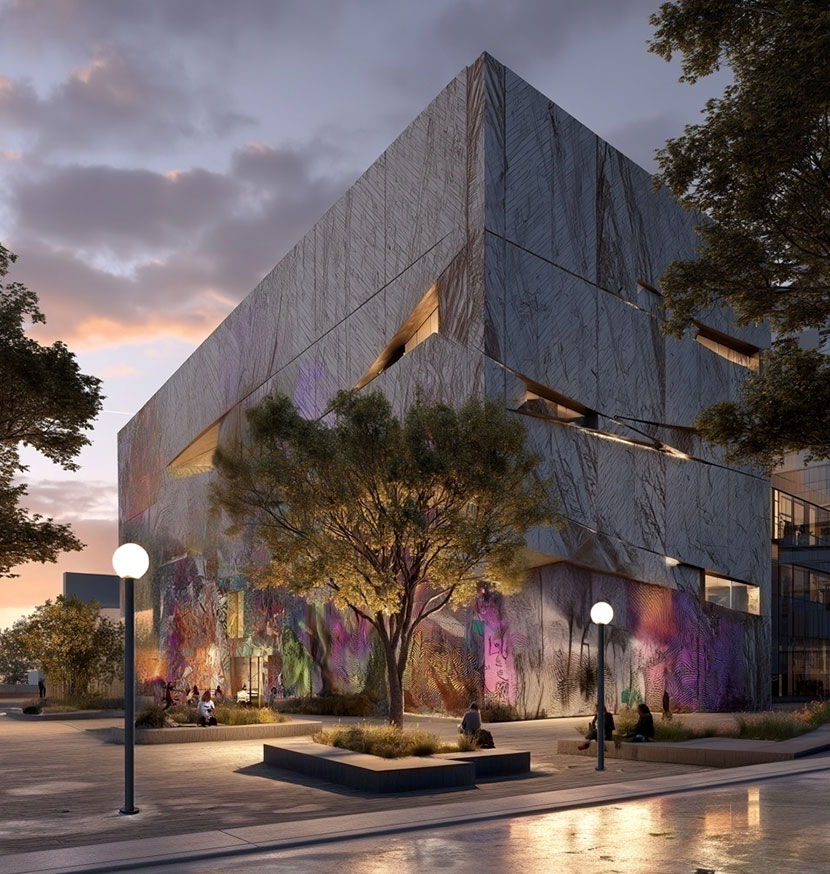
Surry Hills proves that successful development isn’t about glossy finishes, it’s about texture, materiality, and the invitation to explore.
Evolving without losing its edge
Like any great suburb, Surry Hills should never stand still. I’d love to see more rooftop activation, spaces where people can gather and see the city from new perspectives. More basement venues, where intimacy and creativity thrive. And more investment in our laneways, with landscaping, lighting and public art to make them destinations in their own right.
But developers must lead. Their role isn’t to replicate what already exists, but to innovate, to create new experiences, introduce new ideas, and keep pushing the DNA of the suburb forward. Constant evolution is part of what makes Surry Hills, Surry Hills.
For property developers, Surry Hills represents something rare: a suburb that is both a community and a global brand. Ask someone in London, New York or Berlin to name a Sydney suburb, and chances are they’ll mention Surry Hills. It attracts innovators, creators and new residents who want to be part of something meaningful. Its connectivity, via Central Station, the light rail and bus network, only adds to its commercial appeal.
Staff love working here. Clients enjoy visiting. And the lifestyle of cafés, galleries, parks, and that palpable creative energy makes it one of the most desirable places in Australia to live and work.
Protecting the soul
As the suburb evolves, the challenge is to enhance its character without diluting it. Good developers understand that grit and authenticity are assets, not flaws.
Future projects must respect materiality, heritage, and the lived experience of the street. The smartest investors will be those who recognise that the success of Surry Hills lies not in what’s built above, but in what’s experienced at eye level.
For me, the essence of Surry Hills lies in its daily rhythm; walking to a local park, chatting with neighbours, or bumping into familiar faces on Crown Street.
It’s that beautiful frustration of never being able to get anywhere quickly because you always run into someone you know. What a privilege, though, to live somewhere where connection is constant and community is real.
That’s why I believe Surry Hills isn’t just Sydney’s best suburb. It’s Australia’s benchmark for what great urban living and great placemaking should feel like.
Back