The Waterfront Economy, Part One: What Would Make Sydney’s Next Waterfront Genuinely Sydney?
Andrew Hoyne on why Sydney's next great waterfronts won't be won by repeating what we've already built, but by having the courage to build something entirely new.
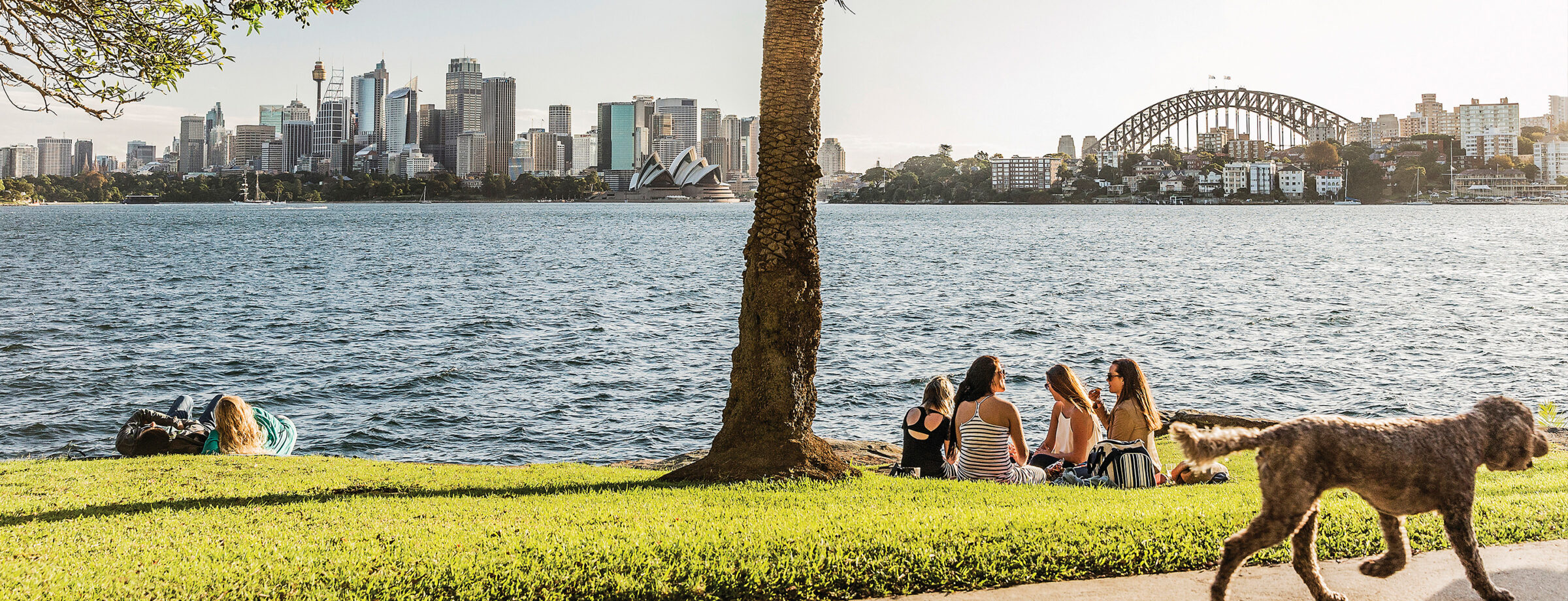
Sydney is one of the world’s great waterfront cities. Yet some of its most significant waterfront precincts are still being shaped, and the decisions made about them today will define how generations to come experience the harbour, its rivers and its bays. Water has always been central to how Sydney lives, works and connects. It has driven our economic growth, given us much of our cultural identity, and created some of the most valuable and desirable real estate in the country.
Across the city right now, a new generation of waterfront precincts is emerging, Blackwattle Bay, Central Barangaroo, White Bay Power Station, the Sydney Fish Markets, and together they will help define what kind of waterfront city Sydney becomes next. Not just in terms of housing, retail or public domain, but in terms of identity.
This raises an uncomfortable questions; Sydney consistently ranks among the most desirable cities in the world, yet when we think about the most celebrated contemporary waterfront precincts on the planet, we tend to look elsewhere. It’s worth asking why, and what we can learn from the cities that have genuinely reimagined their relationship with the water.
This is the first of a two-part series. Here, I want to focus on identity and experience, what would actually make Sydney’s next waterfront feel unmistakably like Sydney, rather than an accomplished but interchangeable version of somewhere else. In part two, Hoyne’s Place Strategy Director, Tom Payne, will get into the tough questions: governance, land, heritage economics and how we handle the industrial waterways that don’t get nearly enough attention.
Distinctiveness over repetition
Waterfronts do more than sit at the edge of a city, they shape how that city is perceived, both by the people who live there and everyone who visits. That’s precisely why I think we have to be so deliberate about ensuring each precinct reflects the actual character of its place, rather than becoming interchangeable with waterfronts anywhere else in the world. A waterfront that could be picked up and dropped into any harbour city on earth has failed at the one thing a waterfront should do best: tell you unmistakably where you are.
We have excellent state agencies, Placemaking NSW among them, bringing real thought, intelligence and investment into our public spaces. But I think the bigger opportunity now sits with private developers, and it’s this: stop building slightly better versions of what already exists.
The opportunity is in the gaps. Whether we’re talking about Glebe, stretches of the Parramatta River or the Lane Cove River, or the more high-profile parts of the harbour itself, every one of these locations has the potential to reflect the community it actually sits within, rather than becoming another generic Sydney waterfront. That’s the differentiator no other city, and frankly no other part of our own harbour, can replicate. It’s not about scale. It’s about DNA.
The asset that becomes the persona
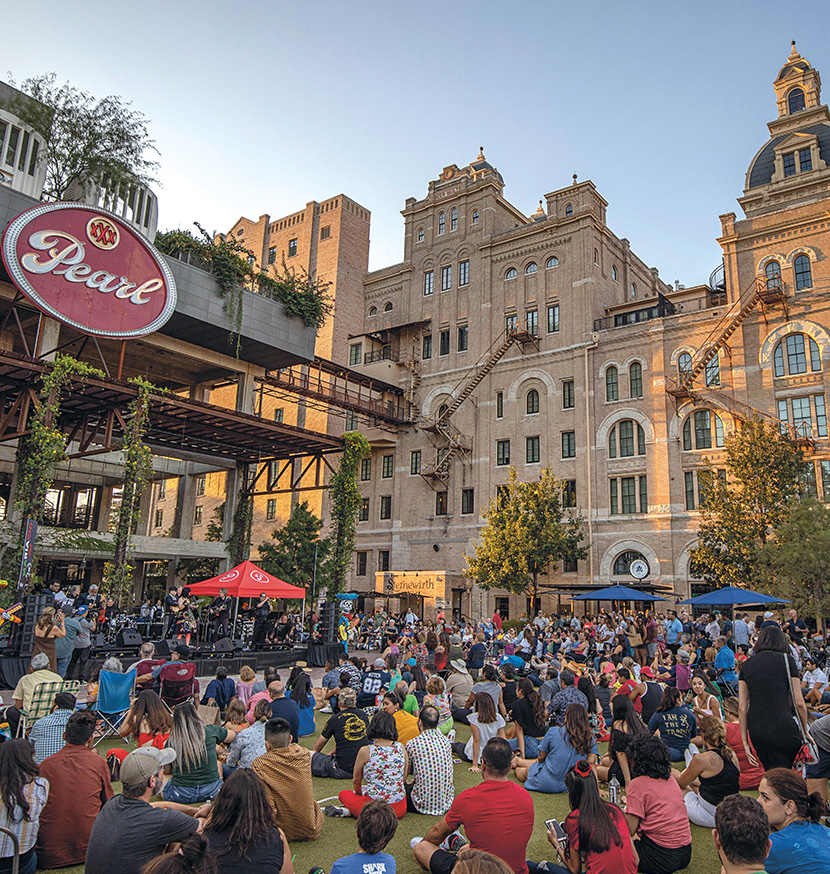
District Wharf in Washington, D.C. is one of the more instructive case studies internationally. It’s a $3.6 billion, 3.3 million square metre waterfront development comprising 1,500 apartments and condos, 800 hotel rooms, 900,000 square feet of commercial office space and more than 80 restaurants, bars and retailers. But the thing that actually lifted every other asset class above the average, commercially and culturally, wasn’t the housing or the hotels. It was three dedicated live music venues, plus buskers scattered throughout the precinct. Music became the persona of the entire place.
Could Blackwattle Bay be the best place in Sydney to bring this many asset classes, experiences and water uses to life? I’ve been an ocean kayaker for decades, and I’ve paddled all over the harbour and the rivers feeding into it. So based on first hand experience, I think there’s real potential for Blackwattle Bay to do something with kayaks and canoes at a scale we haven’t really attempted anywhere in Australia. That means kayak sheds, rental fleets, local paddling clubs brought in as community operators. Given how protected the bay is, it’s an obvious fit. The bigger challenge is working out what Sydney’s equivalent of “music as anchor” actually is: the comparatively low-yield, high-personality asset that ends up defining the whole precinct.
Bringing the water into the experience
Most waterfront developments look at the water, but they don’t bring the water into the experience. Splash pads are fine, kids love them, but what else is there? Central Barangaroo has those beautiful sandstone steps down to the water, and they’re a great gesture, but they’re also slippery and not suitable for everyone.
I like Oslo’s waterfront because it offers a truly different model. Public access is prioritised above all else, the public realm is climate-responsive and used year-round, cultural infrastructure is properly integrated, and there’s a strong, deliberate relationship between water, landscape and urban identity. Critically, it isn’t really a commercial entertainment district. It functions more as an extension of the community itself. I’d love to see Sydney move away from the linear foreshore-boardwalk-restaurant formula and toward something more organic, places where people can genuinely get down to the water, launch a kayak or go for a swim. Even in far colder climates, Nordic cities manage to get people into the water in summer better than we do, despite our climate being infinitely more forgiving. Yes, bull sharks are a real consideration in our waterways (especially after a storm), but there are ways to mitigate that risk. It’s something we owe it to ourselves to explore properly rather than defaulting to caution.
This is really part of a bigger shift I’d like to see, one where engaging with the water isn’t an occasional novelty but a genuine, repeatable part of daily life: swimming, paddling, recreation, all of it strengthening people’s relationship with the harbour rather than just their view of it.
Treat the boardwalk like an amphitheatre
One of the most underused ideas is treating the water itself as the stage. Terraced, theatre-style seating looking down not at a performance but at the water and the activity on it creates real stickiness, people just want to sit there. And when it’s lit well at night, it does something more important than looking beautiful: it signals the space isn’t off-limits after dark. It becomes a destination rather than a void.
A promenade is a corridor, not a destination
There’s a design failure that shows up again and again on waterfronts, and it’s the long, linear promenade. It looks good in a masterplan render, but in practice it encourages people to move through a place rather than stay in it. The waterfronts that perform commercially tend to offer a richer, less linear mix of spaces, pockets that invite you to sit, eat, linger, double back. That’s not just a placemaking nicety, it’s a commercial one. Dwell time is what turns foot traffic into revenue for the retail, food and beverage tenancies that make these precincts financially sustainable in the first place. If we keep designing waterfronts as routes rather than rooms, we’ll keep getting places people admire on their way to somewhere else.
Sport deserves a seat at the table
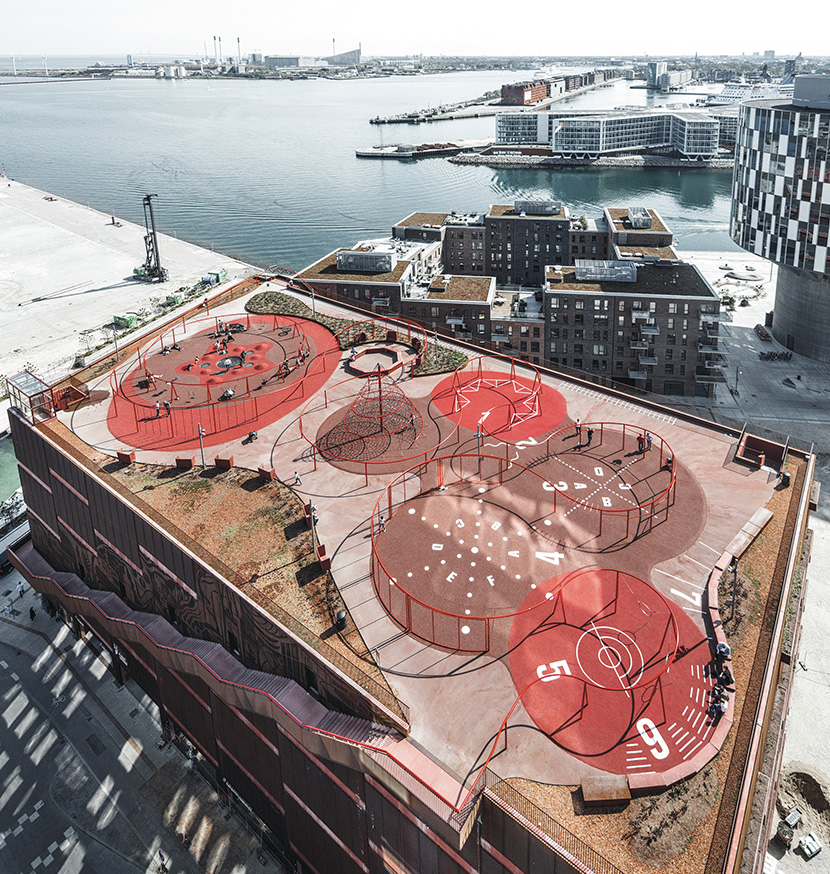
Waterfront thinking tends to default to culture, art, music, theatre, and rightly so. But I think there’s a genuine opportunity in sport that we’re overlooking. Floating barges have been used as stages for bands; why not as courts? A floating basketball court, a floating soccer pitch, a floating hockey rink. Position one near a bridge and you’ve created a spectator experience that doesn’t exist anywhere else in the city. Partner with universities and you’ve got high-quality demonstration sport without the commercial overhead. With Brisbane heading toward an Olympics, and Australia’s success at the Comm Games, this feels like exactly the right moment to be having that conversation.
Locals first
If there’s one principle I’d want underpinning all of this, it’s that successful waterfronts need to primarily serve the communities that live around them, not be designed first and foremost as tourist attractions or retail destinations that locals quietly avoid. The best waterfronts in the world aren’t just attractive places to visit once, they’re places locals use every week, sometimes every day. That’s a genuinely useful test to apply to any waterfront masterplan: would you actually go there on an ordinary Tuesday, or only when you had visitors in town?
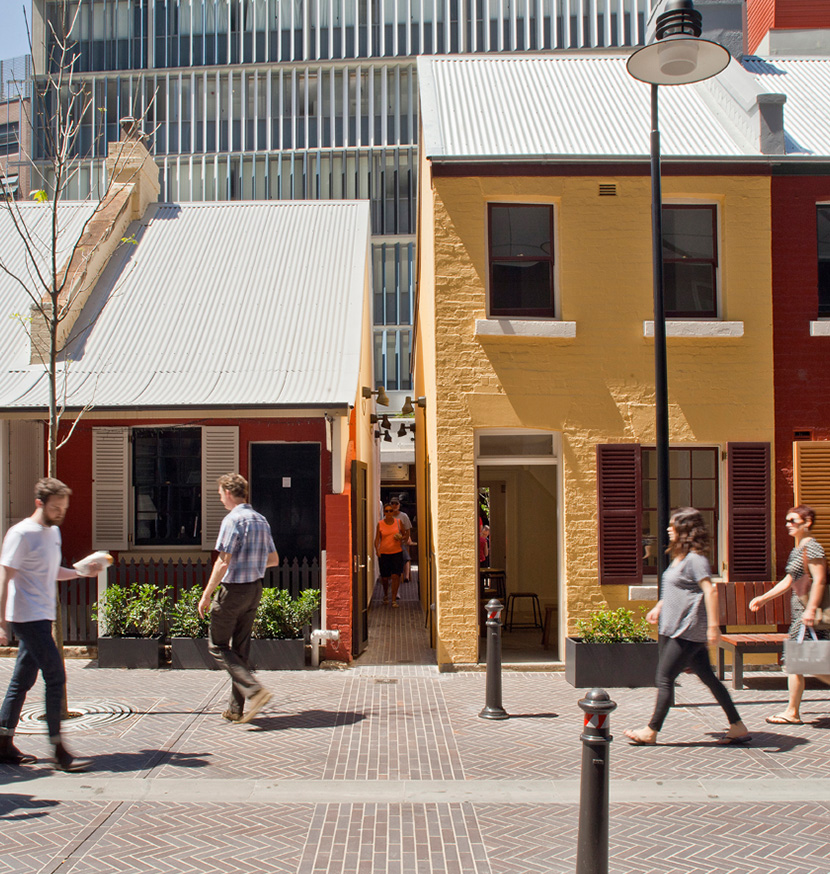
The Rocks is a good local example of what that shift can look like in practice. It’s moved a long way from being seen as a somewhat tacky tourist strip toward becoming somewhere locals genuinely choose to spend time, and that evolution is instructive for how we think about the next generation of precincts. The goal shouldn’t be to build somewhere impressive to look at. It should be to build somewhere people actually use.
Where this leaves us, for now
Get the vision and the experience right first, then the identity, and you’ve built somewhere people actually want to be, not just somewhere that photographs well. But wanting to be there is only half the story. The other half is harder: who owns the land, who pays for what, how heritage gets funded, and what happens to the industrial waterways nobody’s talking about yet. That’s where we want to turn next, in part two of this series.
Back