The “template TOD” problem
There’s a growing risk in Australia’s TOD journey that we don’t talk about enough.
As development accelerates around stations, a sameness is starting to emerge. We’re seeing different cities and different transport modes but a universal outcome: glass podiums, retail strips, towers and public realms that feel increasingly interchangeable from Bankstown to Box Hill. The intent is right and the logic is sound, TOD is one of the most effective ways to deliver housing and infrastructure together, but somewhere along the way optimisation is starting to override the unique identity that exists in each place. And the more uniform our TODs become, the less resilient they are over time.
Most TODs are not being delivered on blank slates. They sit within places that already have personality, culture and rhythm; suburbs like Five Dock, Bankstown, Campsie, Footscray and Box Hill already have movement patterns, informal economies, cultural anchors and daily behaviours that give them meaning. People already understand how these places function. That’s where good TOD design should start, not with an erasure but with evolution of what exists.
Part of the reason for this is that TOD’s have become overly reliant on repeatable frameworks like catchment, FSR targets and standard retail typologies. They are all necessary considerations, but when applied without interpretation, they produce similar results. The market reinforces this approach because proven models provide the false claim that this approach reduces risk. So they’ve ended up designing for approval and absorption, not distinction and magnetism.
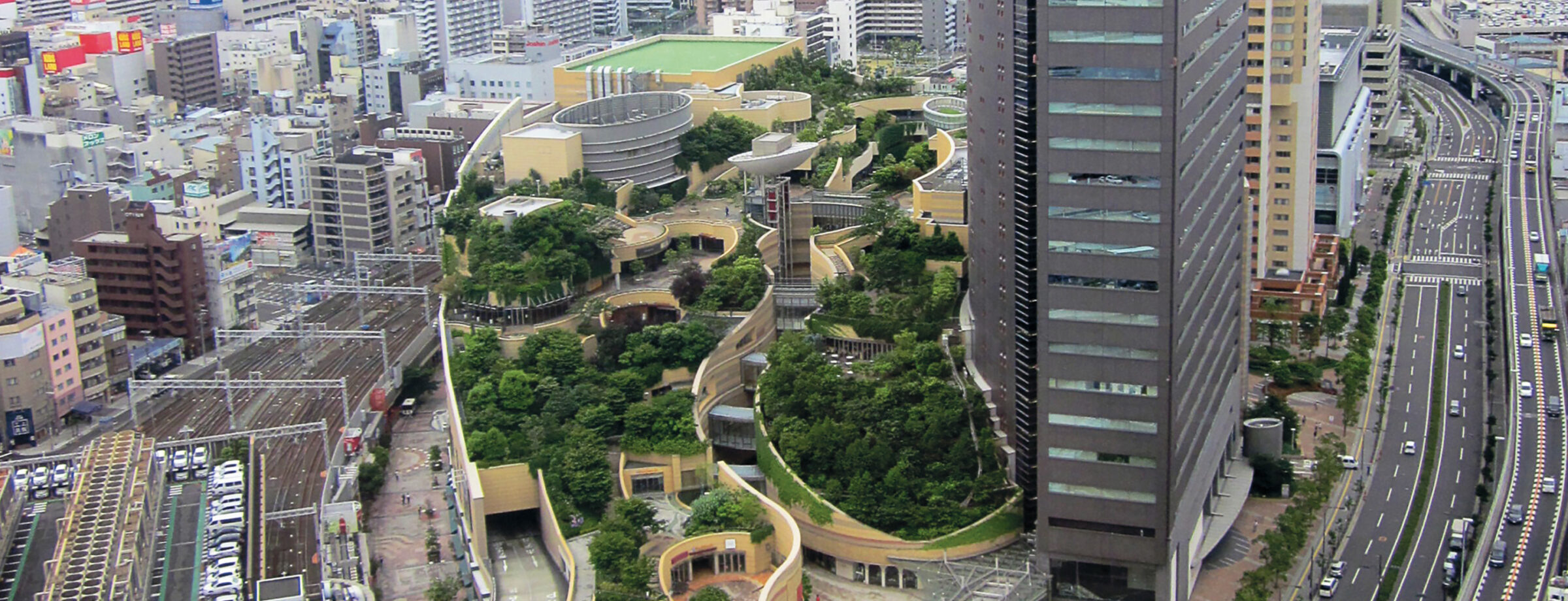
However, examples like King’s Cross in London demonstrate how layering can be used to create a place that feels assembled over time, not delivered in one stroke. Tottenham Court Road also shows how infrastructure can become civic experience. It’s now a station upgrade that doesn’t just move people, but redefines arrival through clarity, art and spatial legibility. Namba Parks in Osaka is on the surface a mixed-use TOD with office, residential, retail and transit integration, but it’s underpinned by meaningful differentiation, creating a truly magnetic destination. There is a rooftop park that unfolds across multiple levels and retail organised as a carved landscape rather than a corridor, underpinned by design that connects nature, movement and commerce into a continuous experience. And the results speak for themselves: high commercial performance, high occupancy, sustained retail strength and long-term visitor appeal. Distinctiveness, in this case, is not aesthetic indulgence, it’s the key to economic performance .
Our approach to Place Visioning starts with what already exists: the patterns, behaviours and identity that give a place meaning and builds from there. Explore how Place Visioning can shape more distinctive, resilient TOD outcomes here.
Back