The morning economy: Australia’s untapped place opportunity
“Australia has one of the world’s strongest morning economies, so why are we still designing our cities as though economic life begins at 9am?” asks Andrew Hoyne
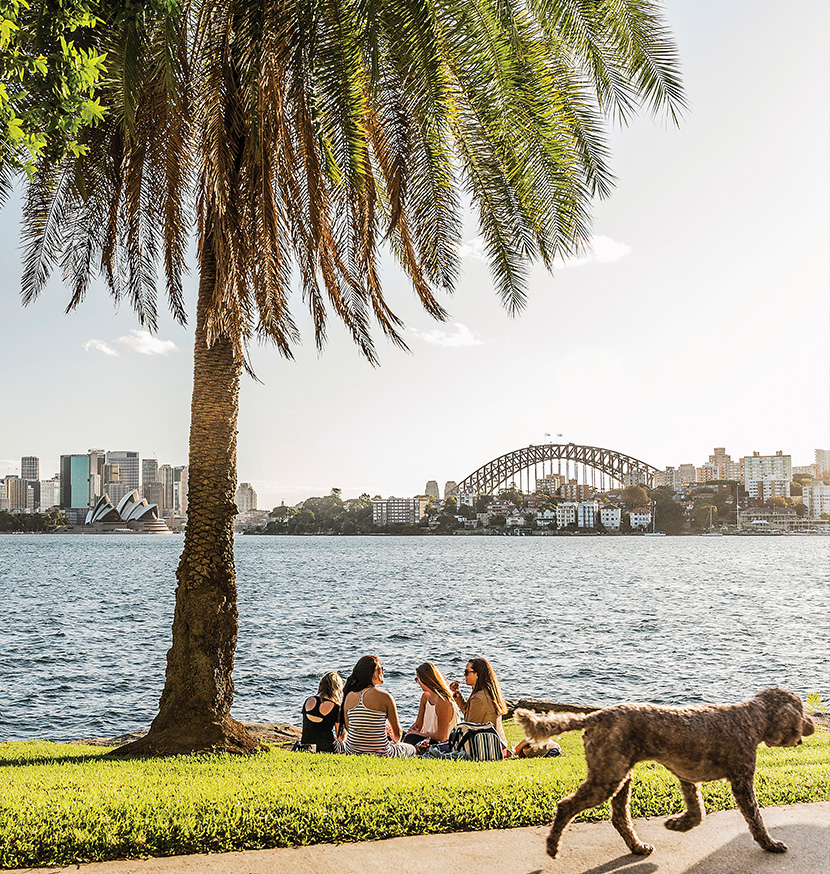
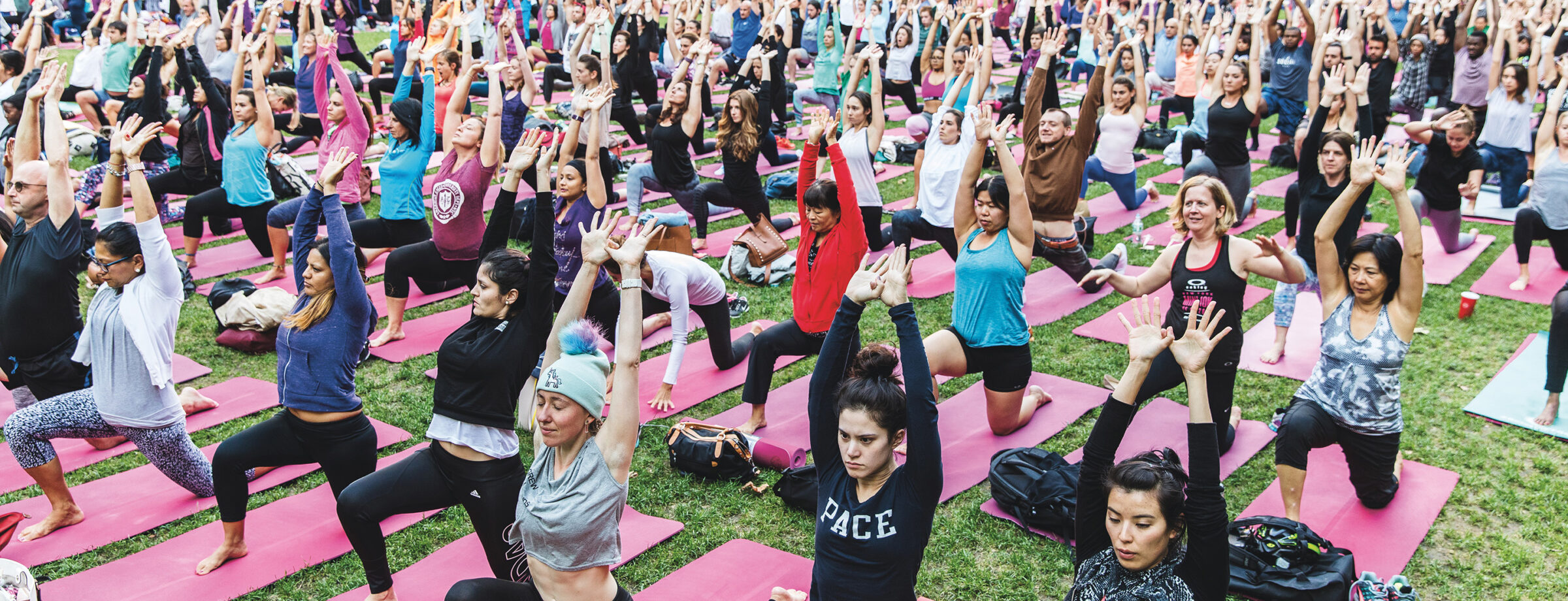
At 6am in cities across Australia, something remarkable is already happening. The cafés are open, the parks are alive with movement, runners move along foreshore paths, Pilates studios are fully booked, parents are grabbing coffee before school drop-off and colleagues are meeting for walks instead of lunches. Streets that would still be empty in many global cities are already active with economic and social life. Australia may have one of the strongest morning economies in the world and yet, we rarely talk about it.
For years, urban discourse has focused on the night-time economy of restaurants, bars, events and entertainment after dark. But a parallel cultural shift is unfolding, where people are drinking less and wellness has itself become a social activity.
Remote and hybrid work have loosened the rigidity of the traditional 9-to-5 and increasingly, people are investing their energy, money and time before work rather than after it. The early hours are no longer simply a transition into the day; they are becoming a destination in themselves. This is not a niche behavioural trend but significant and growing economic opportunity.
Research from the University of Melbourne found Australians spend roughly the same amount on card transactions between 5am and 11am as they do between 7pm and midnight. In Sydney, almost 14 per cent of all in-person transactions now occur between 5am and 10am, substantially higher than comparable global cities like London.
The question for cities, developers and placemakers is no longer how substantial the morning economy is, it’s whether we are supporting it and designing for it intentionally.
Australia’s hidden advantage
Almost every city I’ve visited in Europe, the United States or Asia has been eerily quiet at 6am. But in all the major cities around Australia, the day starts early and publicly. Our climate, outdoor culture and café habits have created a uniquely active morning pulse where we exercise outdoors, and we meet over coffee rather than cocktails. Consequently, public space is used early and often.
What’s interesting is that this behaviour is no longer confined to iconic lifestyle destinations like Bondi or Manly. The opportunity now sits in middle-ring suburbs, growth corridors and emerging centres. Communities increasingly want access to the same quality of morning experience regardless of postcode. Not everyone lives near the beach, but most people want ritual, wellbeing, connection and atmosphere before the workday begins.
This poses a significant opportunity for government and developers.
The rise of ritual-based urban life
The experience economy has evolved, and consumers are no longer only seeking entertainment and hospitality. Increasingly they’re looking for routines that improve their wellbeing and help structure their lives. Morning rituals have become highly valued experiences, ranging from group fitness, sunrise yoga, run clubs and cycling groups to something as simple as walking. I see outdoor exercise groups and wellness events everywhere I go. Not just mates’ groups, but parents with their children. Early trading cafés are teeming with people. I think there are more business breakfasts and networking get-togethers in Australia than anywhere else in the world.
My wife goes ocean swimming at Bondi Beach at least five mornings a week. I go down there with her sometimes and I’m blown away by the many hundreds of people swimming, surfing, exercising, jogging as well as having breakfast at the many busy cafes. It looks like a festival, but it’s every day, all year round. I appreciate Bondi is at the extreme end of the spectrum, but there’s a version of this at several hundred beaches all over Australia, every day.
These are not fringe activities anymore, they are mainstream patterns of urban life that are deeply place-dependent. People don’t simply want a gym, they want a beautiful route to run. When they want a coffee, they want sunlight, atmosphere and community. We don’t just want convenience anymore, we want emotional uplift before the workday begins and that impacts how we think about places.
Increasingly, the morning economy is also becoming social in new ways. I know one working parent with young children who struggles to find time for evening dinners or nights out with her husband between work, childcare and family logistics. Instead, they’ve created a weekly ‘breakfast date’ ritual after the daycare drop-off. What might once have been an evening occasion has shifted into the morning, turning cafés and public spaces into places not just of convenience, but of connection.
Designing for the morning tempo
For decades, mixed-use precincts have been designed around daytime commerce and evening activation, but very few have been consciously designed around how a place feels between 5am and 9am. The next generation of successful places will be those that understand the emotional and physical needs of people in the early hours.
This is particularly important for suburban centres and emerging CBDs, where the opportunity is not to replicate Bondi, but to create a distinctly local version of the morning experience. For an apartment or office developer, this could mean thinking beyond the building itself and instead curating a complete morning ecosystem around it. What is the walking route people take before work? Where does morning sunlight land in the public realm? Is there somewhere to sit outside with coffee at 6:30am? Is wellness visible and social? Are there reasons for people to arrive early and stay longer?
Commercial office landlords should be thinking about what it would take to attract people to their building at 7am, rather than 9am. Is there space for a gym or areas where wellbeing activities could occur? How could they make cyclists feel safer and more welcome on arrival?
In practical, place-based terms this means:
- Orienting public spaces to maximise morning light
- Designing walking and running loops into masterplans
- Creating cafés that open directly onto parks and plazas
- Integrating wellness programming into rooftops and open space
- Prioritising safe, active streets before peak-hour traffic
- Supporting flexible tenancy models for early-trading operators
- Embedding movement, nature and social connection into daily routines
- Providing end-of-trip facilities that genuinely support active lifestyles
- Programming plazas and rooftops with morning wellness events and community activity
- Designing tower podiums and lobbies to feel activated and welcoming in the early hours, not just during business hours
- Creating mixed-use precincts where healthy food, fitness, childcare and work can seamlessly connect within a walkable morning routine
The key is understanding that the morning economy is not simply retail trading at an earlier hour, it is the curation of a healthier and more connected way of living which now feels quintessentially Australian.
A new measure of successful places
Traditionally, we measure activation by what happens at night: crowded restaurants, busy bars and event attendance. But perhaps the real test of a successful place is this: are people choosing to be there between 6am and 9am?
The places that succeed in the future may not be the loudest or busiest, they may be the ones that become embedded in people’s rituals and routines, and support health, productivity and connection before the workday even begins.
Back